Key Takeaways
- Focus on practical renovations that improve everyday function, comfort, and broad buyer appeal.
- Update kitchens and bathrooms without automatically choosing expensive full remodels.
- Repair structural, plumbing, electrical, roofing, and moisture problems before investing in luxury features.
- Improve curb appeal with basic maintenance, simple landscaping, exterior lighting, and a refreshed entrance.
- Consider storage, flooring, lighting, and energy efficiency when looking for functional improvements throughout the home.
- Make outdoor areas more useful with safe walking surfaces, seating, shade, and simple landscaping.
- Avoid over-improving compared with similar homes in your neighborhood, especially when resale value is a priority.
Home renovations can make your property more comfortable while also improving its appeal to future buyers. However, not every project adds the same amount of value. A costly renovation may look impressive but provide a limited return, while a smaller improvement can make a noticeable difference in how buyers view the home.
The best projects often improve areas that people use every day. Kitchens, bathrooms, storage, flooring, and outdoor spaces can influence how functional and well maintained a home feels. Repairs and energy-efficiency improvements may also matter because buyers generally want a property that will not require immediate work after moving in.
Before renovating, consider your home’s current condition, neighborhood, local market, and how long you plan to stay. Instead of trying to make your home the most expensive property on the street, focus on practical improvements that fit the house and appeal to a wide range of people.
Here are renovations worth considering when your goal is to improve both your living space and your home’s potential value.
1. Update the Kitchen Without Overbuilding
The kitchen is often one of the first areas homeowners think about remodeling. It is used every day, and outdated finishes or a poor layout can affect the overall impression of the home.
However, increasing value does not always require removing everything and starting over. If the cabinets are sturdy and the layout works well, consider smaller updates. Painting or refinishing cabinets, changing hardware, replacing worn countertops, and improving lighting can refresh the room for much less than a complete remodel.
Appliances may also be worth replacing if they are old or unreliable. Choose models that fit the home rather than purchasing professional-grade appliances simply because they look impressive.
Keep the design fairly neutral if resale is an important goal. Highly personal colors or unusual materials may appeal to you but could limit interest from future buyers.
Most importantly, make sure the kitchen remains functional. Good storage, useful counter space, adequate lighting, and an easy-to-use layout usually matter more than expensive decorative features.
2. Refresh Outdated Bathrooms
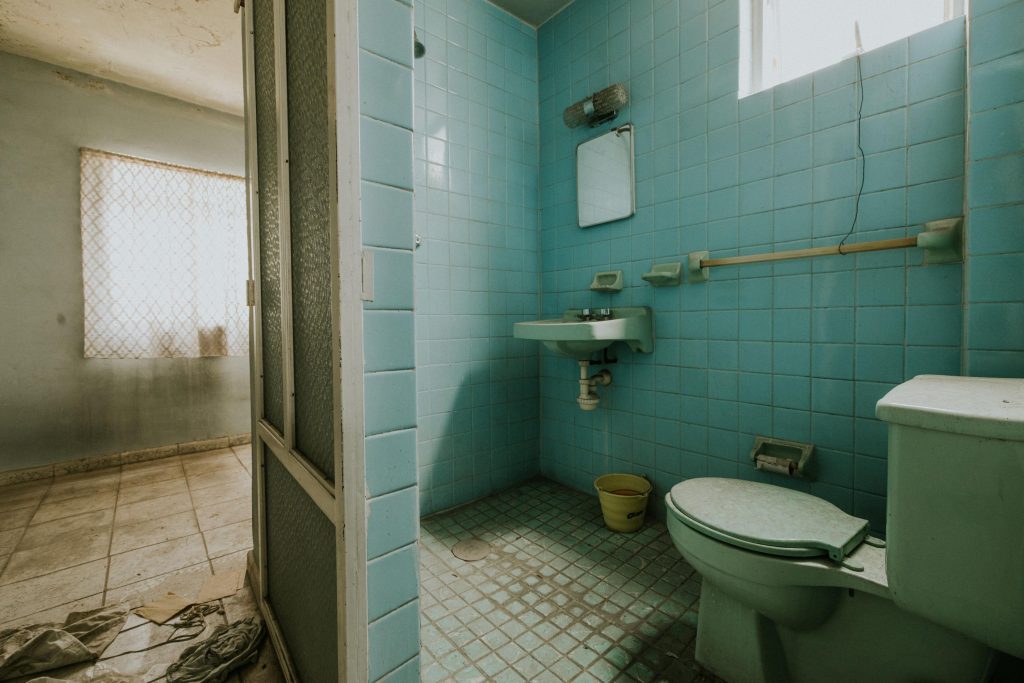
Bathrooms are another area where visible wear can make a home feel older than it is. Stained grout, damaged fixtures, poor lighting, and worn surfaces can leave a negative impression.
A bathroom refresh may be enough if the room is still functional. Replacing faucets, updating cabinet hardware, installing a new mirror, refreshing paint, and improving lighting can make the space feel cleaner and more modern.
If the bathroom needs a larger renovation, focus on durability and easy maintenance. Choose water-resistant materials appropriate for wet areas and make sure ventilation works properly.
Storage is also important. A vanity with useful drawers or cabinets can improve everyday function without requiring more floor space.
Before changing the layout, consider the additional plumbing and construction costs. Moving a toilet, sink, or shower can make the project more expensive. Keeping major fixtures in their existing locations may allow you to spend more on visible improvements.
3. Improve Curb Appeal
The exterior creates the first impression of your property. Buyers may form an opinion before they even walk through the front door, so simple exterior improvements can be worthwhile.
Start with maintenance. Repair damaged siding, loose trim, cracked walkways, broken railings, and other visible problems. Clean exterior surfaces where appropriate and make sure gutters and drainage systems are functioning correctly.
Landscaping does not need to be elaborate. Trim overgrown shrubs, remove weeds, add fresh mulch, and maintain healthy lawn areas. Choose plants that suit your climate and are manageable to care for.
The front door can also become a focal point. Cleaning, refinishing, or painting it may provide a noticeable improvement. Updated house numbers and exterior lighting can complete the entrance without requiring major construction.
A tidy, well-maintained exterior can suggest that the rest of the property has also received consistent care.
4. Repair Problems Before Adding Luxury Features
It can be tempting to spend your renovation budget on new countertops, flooring, or decorative finishes. However, existing repair needs should usually receive attention first.
A beautiful kitchen will not make up for a leaking roof, damaged plumbing, unsafe wiring, foundation concerns, or ongoing moisture problems. These issues can affect both the condition of the property and a buyer’s willingness to move forward.
Walk through the home and make a list of known problems. Pay attention to water stains, damaged surfaces, sticking doors, plumbing leaks, electrical concerns, and signs of deterioration.
For significant structural, electrical, plumbing, roofing, or moisture issues, use qualified professionals to determine the cause and appropriate repair.
Fixing necessary problems may not create dramatic before-and-after photos, but it can protect the home from further damage. A property that has been properly maintained can also give future buyers greater confidence.
5. Add Useful Living Space
Additional usable space can increase a home’s appeal when the project makes sense for the property and local market.
This does not always mean constructing a large addition. An unfinished basement, attic, or bonus room may offer opportunities to create functional space, depending on building codes and existing conditions.
Think about what the home currently lacks. A home office, additional bedroom, family room, or flexible multipurpose area may be more useful than a highly specialized room.
This is where careful home upgrade planning becomes important. Before adding square footage or converting existing space, compare the expected cost with how much practical use the project provides and how similar homes in your area are configured.
Permits, insulation, heating and cooling, electrical work, ceiling height, emergency exits, and other requirements may apply when converting a space. Check local rules before starting construction.
6. Replace Worn or Damaged Flooring
Flooring covers a large portion of the home’s interior, so its condition can strongly affect how clean and updated rooms feel.
You do not necessarily need to install the most expensive flooring available. Instead, choose durable materials that fit the room, climate, household needs, and overall style of the home.
If existing hardwood is in reasonable condition, refinishing may be more practical than replacing it. Worn carpet may need replacement, especially if it is stained or damaged. In moisture-prone areas, use flooring designed for those conditions.
Consistency can also improve visual flow. Using too many different flooring types in connected rooms may make the home feel divided.
Before installing new flooring, address problems underneath it. Uneven subfloors, moisture, or structural issues should be corrected instead of hidden beneath new materials.
7. Improve Energy Efficiency
Energy-efficient improvements can make a home more comfortable and may help reduce operating costs. Their value depends on the home’s existing condition, local climate, energy prices, and the specific improvement.
Start with basic areas such as air sealing and insulation. Gaps around doors, windows, attic access points, and other openings can allow conditioned air to escape.
Heating and cooling equipment should also be maintained properly. If a system is near the end of its useful life, energy efficiency can be one factor to consider when selecting a replacement.
Windows can be expensive to replace, so do not assume new windows are always the first step. Air leaks, damaged seals, or poor insulation elsewhere may be more important problems to address.
A professional energy assessment can help identify where the home is losing energy before you invest in major upgrades.
8. Improve Storage Throughout the Home
Storage is easy to overlook during a renovation, but it can have a major effect on everyday function.
Start with closets. Adding shelves, rods, drawers, or simple organization systems can make existing space more useful without changing the size of the room.
Kitchen pantries, bathroom cabinets, laundry storage, and entryway organization can also improve the way a home functions.
Built-in storage can be attractive, but consider flexibility. Future owners may use rooms differently, so storage that works for several purposes may have broader appeal than highly specialized cabinetry.
Avoid filling small rooms with oversized storage units. The goal is to reduce clutter without making spaces feel cramped.
Well-planned storage can make a home appear more organized and spacious even when no additional square footage has been added.
9. Update Interior Paint
Painting is one of the simpler ways to change how a home’s interior looks. Fresh paint can cover marks, stains, faded colors, and other signs of wear.
If you plan to sell soon, neutral colors may appeal to a wider range of buyers. Neutral does not have to mean plain white. Warm off-whites, soft grays, and other subtle tones can create a clean background for different furniture styles.
Pay attention to preparation. Repair small holes, clean dirty surfaces, and use appropriate primers where needed. A rushed paint job with visible drips or uneven edges can make the room look less polished.
You may not need to repaint every room. Focus on spaces with damaged walls, very strong colors, or inconsistent finishes.
Do not forget trim and doors. Cleaning or repainting worn trim can help the entire room feel fresher.
10. Upgrade Lighting and Electrical Features
Lighting affects how rooms look and how easily they can be used. A dark kitchen or poorly lit bathroom may feel less inviting even when the finishes are attractive.
Begin by evaluating each room’s lighting needs. Kitchens usually benefit from strong task lighting, while living rooms may need a combination of general and softer lighting.
Replacing outdated fixtures can refresh a room without major construction. Choose designs that fit the home’s overall style instead of selecting fixtures based only on current trends.
Electrical outlets and switches may also need attention, especially in older homes. Damaged or outdated electrical components should be evaluated by a qualified electrician.
Adding electrical capacity or changing wiring can involve permits and safety requirements. Avoid treating electrical work as a decorative DIY project if it requires professional knowledge.
11. Make Outdoor Living Areas More Useful

Outdoor spaces can extend the way people use a home, especially in climates where patios and yards are comfortable for much of the year.
You do not need an elaborate outdoor kitchen or luxury pool to improve the space. A clean patio, comfortable seating area, simple landscaping, and appropriate lighting may be enough.
Repair cracked or unstable walking surfaces and make sure steps and railings are secure. If you have a deck, inspect it for loose boards, damaged supports, and other signs of wear.
Shade can also improve comfort. Depending on the property, an umbrella, pergola, or covered area may make a patio more useful during warmer weather.
Keep improvements proportional to the home and neighborhood. A simple, functional outdoor area may provide broader appeal than an expensive feature that requires significant maintenance.
12. Consider a Garage Door Replacement
Because garage doors take up a large part of some home exteriors, an old or damaged door can affect curb appeal.
If the existing door works well and is in reasonable condition, cleaning, painting, or replacing worn hardware may be enough. A full replacement makes more sense when the door is badly damaged, unreliable, or no longer operating safely.
Choose a design that complements the home’s architecture. Decorative windows and hardware can add character, but they are not necessary for every property.
Safety and correct installation are especially important because garage door systems use heavy components and high-tension springs. Certain repairs and installations should be handled by trained professionals.
Also consider insulation if the garage is attached to the home or used as a workspace, but evaluate whether the additional cost makes sense for your climate and needs.
13. Avoid Over-Improving for the Neighborhood
One of the biggest renovation mistakes is spending far more on a property than the local market is likely to support.
Before starting a major project, look at comparable homes in your neighborhood. Pay attention to size, condition, number of bedrooms and bathrooms, finishes, and common features.
If most nearby homes have modest kitchens, installing an extremely expensive custom kitchen may not produce an equal increase in resale value. The same applies to luxury additions, pools, specialized rooms, and premium materials.
This does not mean you should avoid improving your home. Instead, keep projects appropriate for the property and your reasons for renovating.
If resale value is a major concern, consider discussing large projects with a local real estate professional before committing. Local market conditions can influence which features buyers value most.
Conclusion
Renovations can increase the comfort, function, and appeal of a home, but spending more does not automatically create more value. The most useful improvements usually address real problems, update heavily used spaces, and make the property easier to live in and maintain.
Start with necessary repairs before moving to cosmetic projects. Then consider practical improvements to kitchens, bathrooms, flooring, storage, lighting, energy efficiency, curb appeal, and outdoor living areas. When adding space or completing a major remodel, compare the cost with the needs of your household and the expectations of your local market.
Most importantly, renovate with a clear purpose. If you plan to stay for many years, personal comfort may deserve more weight in your decisions. If you expect to sell soon, broader buyer appeal may matter more. By balancing cost, function, durability, and local market conditions, you can choose renovations that improve your home without spending heavily on features that may provide little value in return.