
The true cost of homeownership extends far beyond the initial contract price. When you transition from a tenant to an owner, you suddenly become the captain of your own ship, responsible for every system, structure, and square foot of land. Hidden fees, immediate maintenance needs, and long-deferred property care can quickly drain your bank account if you have not prepared a proper post-closing budget. To be a financially savvy homeowner, you must look beneath the surface of a property and anticipate the operational expenses of your first year.
This comprehensive guide is designed to pull back the curtain on the unexpected expenses that come with buying a house. By understanding these variables before you sign the final paperwork, you can audit a property accurately, negotiate better seller credits, and build a realistic emergency fund. Let’s dive into the hidden costs of homeownership and look at how you can protect your wallet while securing your dream home.
1. Navigating Upfront Lending Fees and Pre-Closing Variables
When planning your real estate budget, the focus is almost always on accumulating a down payment. However, securing the actual financing for your property introduces a substantial wave of upfront transactional costs that must be paid at closing. Lenders charge a variety of administrative fees to process your application, verify your financial history, and underwrite the capital you are borrowing. These closing costs typically amount to two to five percent of the total loan amount, which can translate to thousands of dollars required in cash on closing day.
Beyond the administrative costs, you must account for prepaid items that lenders require to establish your escrow account. This often includes advance payments for property taxes and homeowners’ insurance. If you do not have a substantial cushion beyond your down payment, these fees can deplete your cash reserves, leaving you financially vulnerable just as you take possession of the property.
To keep these costs manageable, always request a detailed breakdown from your lender early in the process. Comparing different financial institutions can help you spot unnecessary junk fees and negotiate lower administrative rates. Securing a competitive mortgage is about more than just finding a low interest rate; it requires analyzing the total cost of origination, appraisal fees, and title insurance to ensure you are not overpaying before you even own the keys.
2. Planning for Logistics and Immediate Settlement Costs
Once the paperwork is finalized, the physical transition into your new property begins. Many buyers treat the process of relocating as an afterthought, assuming it will only cost the price of a few cardboard boxes and a pizza for friends who help out over the weekend. In reality, moving an entire household is a complex logistical operation that comes with significant expenses, especially if you are relocating across state lines or handling fragile, high-value items.
Professional packing, truck rentals, and fuel surcharges add up quickly. If your closing dates do not align perfectly, you might also find yourself paying for temporary storage units or brief hotel stays. There are also immediate operational setup fees at the new property, such as utility activation charges, internet installation, and changing out all the exterior door locks for security.
To prevent this phase from draining your emergency fund, treat moving as a distinct line item in your overall real estate budget. Pack non-essential items yourself ahead of time to reduce professional labor costs, and get binding estimates from multiple reputable relocation companies. Planning these details weeks in advance ensures that logistical headaches do not overshadow the excitement of settling into your new neighborhood.
3. Evaluating Underground Storage and Alternative Fuel Systems
If a property utilizes or historically utilized liquid fuel for heating, you must investigate the condition of the storage infrastructure. Aging tanks can develop pinhole leaks due to internal corrosion, leading to environmental contamination that costs tens of thousands of dollars to remediate. A standard home inspection rarely covers specialized environmental testing for these systems.
Before committing to a purchase, verify whether the property relies on active heating oil tanks or if there are decommissioned reservoirs buried on the lot. Request historical maintenance records and ask for a specialized pressure test or tank sweep to ensure no leakage has occurred. Understanding the age and structural integrity of these fuel systems allows you to budget for future conversions or demand that the seller handle any necessary decommissioning before closing.
4. Demystifying Independent Waste and Wastewater Management
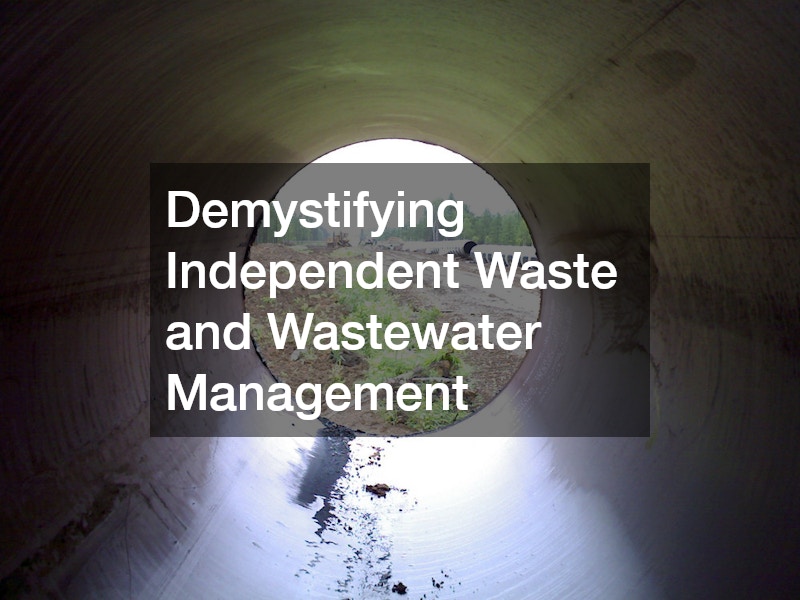
If you are buying a home in a rural, semi-rural, or suburban area without access to a municipal sewer grid, the property will feature an independent wastewater treatment system. While operating an independent waste system frees you from monthly city sewer bills, it transfers the entire burden of maintenance, regulatory compliance, and system failure onto your shoulders.
Replacing a failed waste distribution network or absorption field can be a massive financial blow, often reaching five figures. A basic home inspection will merely check if the toilets flush and the drains run; it will not assess the structural health of the underground holding tank or the absorption capacity of the soil. Heavy rainfall, tree root intrusion, and years of neglect by previous owners can leave a system on the verge of collapse without showing immediate symptoms indoors.
To safeguard your finances, make your purchase offer strictly contingent upon a specialized inspection of the underground waste infrastructure. Hire a certified technician to perform a camera scope of the lines and verify the status of local septic tank services in the area to see when the system was last pumped. Ensuring the tank is cleaned, inspected, and certified before closing prevents you from inheriting a buried environmental hazard on day one.
5. Assessing the Integrity of Your Home’s Primary Overhead Defense
The exterior envelope of your home is its first line of defense against the elements, and no part of that envelope works harder than the roof. A structurally sound roof protects your framing, insulation, and drywall from water damage, mold growth, and energy loss. Unfortunately, structural roofing issues are among the most common defects uncovered during real estate transactions, and they are also among the most expensive to rectify.
An untrained eye might see a roof that looks perfectly fine from the driveway, missing the subtle signs of advanced wear such as curling shingles, damaged flashing around chimneys, or compromised valley underlayments. If a roof is approaching the end of its natural lifespan, you could face a massive capital expense within your first few years of ownership.
Always look closely at the seller’s disclosure forms to determine the exact age of the overhead materials. If the system is more than fifteen to twenty years old, hire independent roofers to provide a dedicated certified inspection and an estimate for future replacement. Armed with this data, you can request a price reduction or a seller credit at closing, ensuring you have the necessary funds set aside to update the structure before a major storm causes internal damage.
6. Uncovering Hidden Environmental Hazards Behind the Walls
Biological growth can thrive silently inside wall cavities, under carpeting, and deep within HVAC ductwork long before it becomes visible on finished surfaces. If a previous owner quickly painted over water stains without fixing the underlying leak, a standard home inspection might overlook the problem entirely, leaving you to discover the contamination months later when a musty odor develops.
If you notice a damp basement, water stains on ceilings, or a history of past flooding in the disclosure documents, do not hesitate to bring in an environmental specialist. Addressing widespread biological contamination requires specialized containment and air scrubbing techniques that can severely impact your budget. Identifying the need for professional black mold remediation prior to closing allows you to force the seller to remediate the hazard correctly using certified environmental contractors, ensuring your new home is safe from the moment you move in.
7. Ensuring Reliable Climate Control Before the Seasons Change

A home’s mechanical systems are its internal organs, keeping the environment comfortable, safe, and livable throughout seasonal extremes. The central heating system is a critical component that demands thorough evaluation, as replacing a primary heating unit is a major capital improvement project that can completely derail a homeowner’s budget.
An aging climate control unit might still turn on and blow warm air during a brief walkthrough, masking deep-seated mechanical issues. Internal components like heat exchangers can develop dangerous cracks over time, or burners can become highly inefficient, leading to skyrocketing monthly utility bills and potential safety risks.
Ask the seller for the service history of the heating system to confirm that regular preventative maintenance has been performed. If the system is older or has a history of spotty performance, budget for immediate professional tune-ups or minor component replacements. Understanding the true condition of the mechanical infrastructure allows you to anticipate potential furnace repairs before the arrival of freezing winter temperatures leaves you caught in the cold with an unexpected emergency bill.
8. Restoring Exterior Surfaces and Preventing Water Intrusion
Deep cleaning the exterior of a property is an essential step when taking ownership of a home. Removing years of grime reveals the true underlying condition of the exterior materials, exposing hidden cracks in stone foundations, rotted wood trim, or failing paint that needs to be addressed to prevent structural degradation.
Budgeting for a comprehensive exterior cleaning shortly after closing is a smart, cost-effective way to preserve your new investment. Utilizing professional power washing services can instantly revitalize the aesthetic appeal of your home while allowing you to conduct a detailed visual audit of the exterior walls, walkways, and patios, catching minor maintenance issues before they turn into expensive structural repairs.
9. Navigating Long-Term Care for Specialized Backyard Features
An in-ground swimming pool or spa can transform a backyard into a private oasis, offering an incredible space for relaxation, exercise, and entertainment. However, recreational water features are notorious for being some of the most maintenance-intensive and expensive amenities a property can possess. The operational costs go far beyond chemicals and electricity; the structural components themselves have a finite lifespan.
Over time, the interior surfaces of concrete and gunite pools degrade due to constant exposure to water chemistry and weather fluctuations. The surface can become rough, stained, or develop structural cracks that lead to major water loss and underground erosion. Resurfacing a pool requires specialized craftsmanship and significant financial investment.
When purchasing a home with a pool, ensure the water feature is included in your specialized inspection protocols. Check for signs of surface hollows, structural cracking, or calcium scaling along the tile line. Factor the age of the interior finish into your long-term financial plans, as scheduling a professional pool plastering service every ten to fifteen years is essential to maintain structural integrity, prevent leaks, and keep the amenity looking pristine.
10. Managing Soil Erosion, Retaining Structures, and Drainage
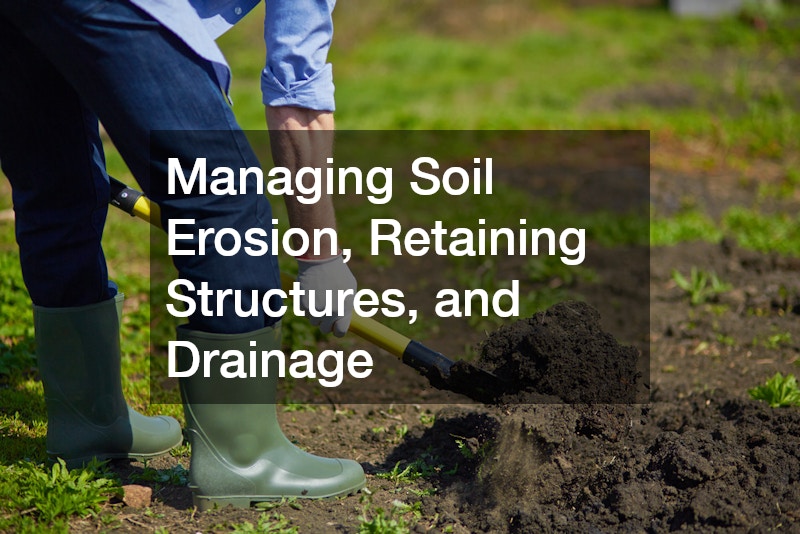
The ground surrounding your home plays a fundamental role in protecting the structural foundation of the building. Poor grading, unmanaged soil erosion, and failing retaining walls can redirect stormwater directly toward your basement or crawlspace, leading to catastrophic foundational shifting and interior flooding. Managing the topography of your lot is a critical aspect of property maintenance that buyers frequently overlook.
When touring a property, pay close attention to how the land slopes relative to the house, the condition of exterior stone walls, and the health of patios, walkways, and outdoor living areas. Sunken pavers, shifting brickwork, or buckling timber walls indicate that the earth is moving and that the current drainage infrastructure is failing to handle runoff efficiently.
Correcting major drainage issues or rebuilding collapsed earthen barriers requires heavy equipment, engineering expertise, and specialized materials. If the outdoor spaces show signs of neglect or poor water management, consult with a professional hardscaping company to assess the situation. Remediation steps like installing French drains, re-grading slopes, or building reinforced structural retaining walls protect your primary investment from water damage and maximize the usable square footage of your land.
Ultimately, being dollar-wise means preparing for the unexpected so that a broken pipe, a worn roof, or an aging climate control system never becomes a financial crisis. By building a robust emergency fund and mapping out a realistic timeline for property maintenance, you protect your hard-earned equity. With the right preparation, you can step into your new home with total confidence, knowing that your budget is fully prepared to handle whatever lies beneath the surface.