
Major home systems play a role in nearly every part of daily life, from washing dishes and taking showers to powering appliances and maintaining outdoor amenities. Because these systems are often connected to infrastructure that is hidden behind walls, beneath floors, or underground, problems can sometimes develop before homeowners notice obvious symptoms. Regular attention can help identify changes in performance and address smaller concerns before they interfere with household routines.
Keeping a property operating efficiently requires more than reacting to emergencies. Homeowners can establish maintenance schedules, monitor changes in performance, use systems appropriately, and arrange professional inspections when necessary. Plumbing, wastewater, electrical, and pool systems each have their own maintenance requirements, but the same general principle applies to all of them: consistent care can make it easier to identify problems, manage repairs, and maintain reliable performance throughout the year.
Address Drain Problems Before They Become Larger Plumbing Issues
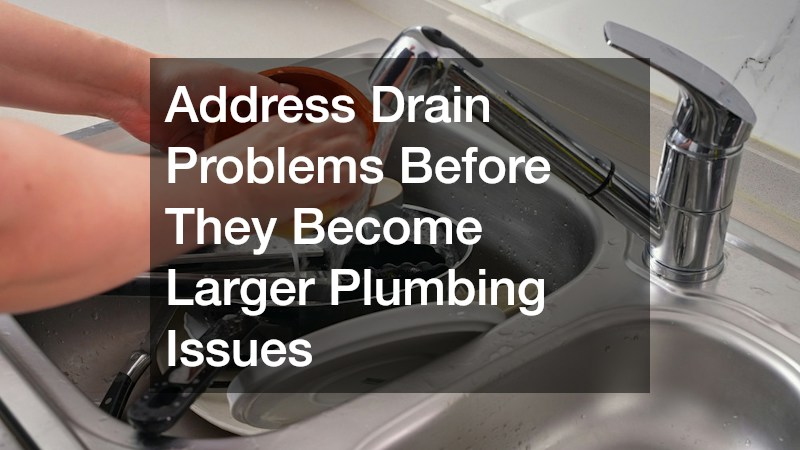
Drainage problems can start with a small change, such as water taking longer than usual to disappear from a sink or shower. A clogged drain may result from hair, soap residue, food particles, grease, or objects that should not enter the plumbing system. Paying attention to slow drainage gives homeowners an opportunity to investigate before water begins backing up into fixtures.
Preventative habits can reduce unnecessary strain on household plumbing. Homeowners should also avoid treating recurring blockages as isolated incidents because repeated problems may indicate buildup or another underlying issue.
Helpful habits include:
- Use drain screens where appropriate to catch debris.
- Keep food scraps and cooking grease out of household drains.
- Clean removable drain components periodically.
- Avoid flushing inappropriate materials through toilets.
- Pay attention when several fixtures begin draining slowly.
Chemical drain products may provide temporary relief in some situations, but repeated use does not necessarily address why the blockage keeps returning. Persistent or recurring drainage issues deserve professional attention so the underlying condition can be identified and addressed appropriately.
Keep Kitchen Waste Management Systems Properly Maintained
Kitchen plumbing encounters materials that can create significant buildup when they are disposed of improperly. Cooking fats, oils, and grease can cool inside plumbing and contribute to restrictions that make it harder for water and waste to move through pipes. Preventing these materials from entering the plumbing system is therefore an important part of maintaining efficient drainage.
Grease traps are designed to capture grease and related materials before they travel farther into connected plumbing. Homeowners and property managers should understand how the specific system operates and follow the maintenance recommendations associated with it rather than waiting until odors, backups, or drainage problems appear.
Good kitchen maintenance practices include:
- Collect used cooking oil in an appropriate container.
- Scrape excess food from dishes before washing them.
- Keep grease away from sinks and floor drains.
- Monitor for unusual odors or changes in drainage.
- Follow the appropriate cleaning and servicing schedule.
These habits can help reduce the amount of material entering the plumbing system. Regular attention is particularly important in kitchens that handle frequent cooking because accumulated residue can become increasingly difficult to manage when maintenance is delayed.
Plan Wastewater Infrastructure Before Installing a New System
Installing a new wastewater system requires planning that goes beyond selecting equipment. Property characteristics, household needs, available space, drainage conditions, and applicable requirements can all affect how the system should be designed and positioned. Addressing these considerations before construction begins can help homeowners avoid making decisions that limit future performance.
Septic system installation should be approached as a property-specific project rather than a one-size-fits-all improvement. A qualified professional can evaluate the site and determine which design considerations apply to the property. Homeowners should also understand any local approval, permitting, inspection, or installation requirements that apply before work begins.
Before moving forward, homeowners can:
- Review the property’s existing wastewater arrangements.
- Determine household usage requirements.
- Evaluate available installation areas.
- Ask about soil and drainage considerations.
- Confirm applicable local requirements.
- Discuss maintenance expectations for the completed system.
Careful planning can also make future maintenance easier. Understanding how the system was designed, where its components are located, and what service it requires gives homeowners useful information for managing the property over the long term.
Recognize When Underground Plumbing Needs Professional Attention
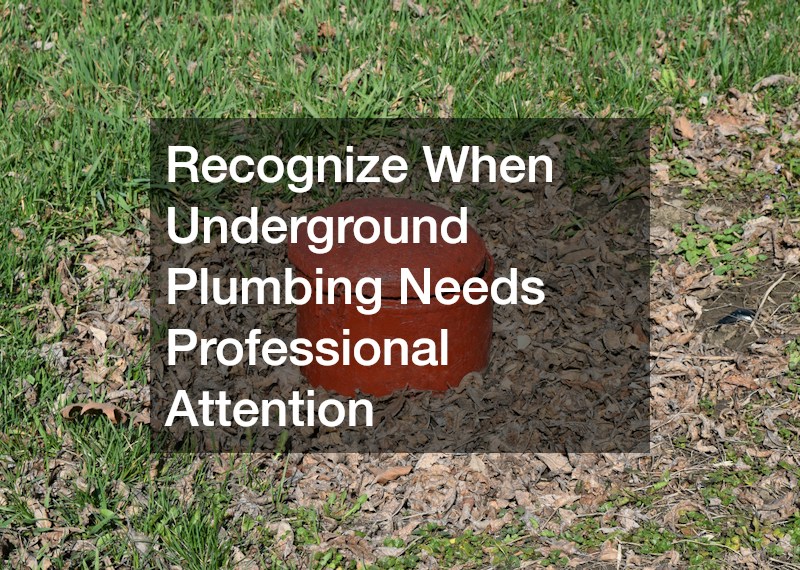
Sewer problems do not always begin with a dramatic backup. A series of smaller warning signs can indicate that wastewater is not moving through underground plumbing as it should. Multiple slow drains, recurring backups, unusual odors, or changes affecting several fixtures at once can provide useful clues that the issue extends beyond an individual sink or bathtub.
A sewer line cleaning service can address accumulated material inside a sewer line when cleaning is appropriate for the condition of the system. Professional assessment is particularly useful when a problem continues to return after individual drains have been cleared.
Homeowners should take note of:
- Several fixtures draining slowly at the same time
- Repeated backups in different areas
- Gurgling sounds from drains or toilets
- Unusual odors near plumbing fixtures
- Problems that return shortly after cleaning
Keeping a record of when these symptoms occur can also help a professional identify patterns. If the same issue appears repeatedly, addressing the underlying sewer line condition may be more useful than repeatedly treating individual fixtures as unrelated problems.
Manage Household Wastewater With Long-Term Maintenance Approach
Wastewater management is an important part of keeping household infrastructure functional. Water from sinks, showers, toilets, washing machines, and other fixtures must move through the appropriate system without creating backups or drainage problems. Homeowners who understand how wastewater leaves their property are better positioned to recognize changes in normal operation.
Wastewater services can address specialized needs associated with wastewater systems, depending on the property’s infrastructure and the nature of the issue. Professional assistance may be particularly relevant when a homeowner is dealing with problems that extend beyond an individual plumbing fixture or require specialized equipment and knowledge.
A long-term approach should include:
- Knowing where major wastewater components are located.
- Keeping records of inspections and maintenance.
- Watching for changes in drainage performance.
- Avoiding practices that overload the system.
- Addressing recurring wastewater problems promptly.
Homeowners should also be cautious about assuming that a system is functioning properly simply because no emergency has occurred. Gradual changes in drainage, odors, standing water, or other unusual conditions can provide an early indication that professional evaluation is appropriate.
Maintain Septic Capacity Through Consistent Preventative Care
Septic systems rely on regular maintenance to continue handling household wastewater properly. Waiting until a backup or other serious problem develops can make maintenance more disruptive, so homeowners should establish a schedule based on the characteristics and usage of their particular system.
Septic pumping is one component of routine septic maintenance. The appropriate service interval can depend on factors such as household usage, system characteristics, and the amount of solids accumulating in the tank. Homeowners should follow recommendations from qualified professionals who are familiar with the specific system rather than relying on an identical schedule for every property.
Homeowners can also reduce unnecessary strain by:
- Conserving water when practical.
- Repairing leaking plumbing fixtures.
- Keeping inappropriate materials out of toilets.
- Avoiding excessive disposal of household chemicals.
- Maintaining records of previous septic service.
It is also useful to understand the location of the tank and other important system components. Clear records can make future inspections and maintenance more straightforward while helping homeowners recognize whether the system’s condition or performance has changed over time.
Evaluate Electrical Capacity Before Adding Major Home Equipment

Electrical demand can change considerably when homeowners add appliances, remodel rooms, install equipment, or make other significant property improvements. An electrical system that previously met household needs may require evaluation when new loads are introduced. Planning before installation can help identify capacity concerns instead of discovering them after new equipment is connected.
An electrical panel upgrade may be considered when the existing panel is no longer appropriate for the home’s electrical requirements. This is not a project homeowners should attempt to diagnose or perform on their own. A qualified electrician can evaluate the existing setup and determine what changes may be appropriate.
Before adding major electrical loads, homeowners should:
- Review the capacity of the existing electrical system.
- Identify planned appliances and equipment.
- Discuss expected electrical demand with a professional.
- Look for signs of overheating or electrical irregularities.
- Determine whether permits or inspections apply.
Homeowners should also avoid repeatedly resetting breakers without investigating why they trip. Recurring electrical interruptions can indicate that a circuit or system requires professional attention, particularly when combined with unusual smells, heat, buzzing, or other concerning changes.
Establish a Consistent Routine for Pool System Maintenance
A pool requires regular attention to remain clean, balanced, and functional throughout the swimming season. Waiting until the water looks visibly dirty can allow smaller maintenance issues to become more noticeable. A consistent schedule makes it easier to monitor water conditions, equipment operation, circulation, and debris.
Weekly pool service can provide a structured approach to recurring pool maintenance. Depending on the property’s needs and the services provided, routine care may address water testing, cleaning, skimming, equipment checks, and other maintenance tasks. Homeowners should understand which responsibilities are included and which tasks still require attention between scheduled visits.
Regular pool care can include:
- Checking water conditions on a consistent schedule.
- Removing leaves and other visible debris.
- Monitoring filtration and circulation.
- Inspecting accessible equipment for unusual changes.
- Keeping the surrounding pool area clean.
- Addressing changes in water appearance promptly.
Consistent maintenance also provides opportunities to notice developing equipment problems. A pump, filter, or circulation component that begins behaving differently may be easier to address when the change is noticed early rather than after it causes a major interruption.
Reduce Water Waste Through Responsible Pool Management
Pool ownership involves managing water as well as maintaining equipment and surfaces. Water may be lost through evaporation, maintenance activities, leaks, or unnecessary draining and refilling. Homeowners can consider how their maintenance practices affect overall water use and look for appropriate ways to manage resources.
Pool water recycling services may be an option for certain properties and circumstances. Homeowners interested in this approach should first understand how the service works, what types of pool water it can address, and whether local requirements affect the process. Professional guidance can help determine whether a particular water-management approach is appropriate.
Responsible pool water management can involve:
- Monitoring water levels for unexplained changes.
- Investigating suspected leaks promptly.
- Avoiding unnecessary draining.
- Following appropriate water-treatment procedures.
- Asking professionals about water reuse options.
Water conservation should not come at the expense of proper pool maintenance. The goal is to manage water responsibly while maintaining appropriate conditions for the pool, its equipment, and the people who use it.
Properly Dispose of Household Contaminants
Some household situations involve biological materials that require a different response from ordinary cleaning. Attempting to handle contaminated materials without understanding the potential hazards can create additional concerns, particularly when the affected area involves bodily fluids or other potentially hazardous substances.
Biohazard cleaning is designed for situations requiring specialized procedures for cleaning, removing, and disposing of contaminated materials. When such a situation occurs, homeowners should focus first on limiting access to the affected area and preventing unnecessary contact with contaminated materials.
Appropriate response may include:
- Keeping children and pets away from the affected area.
- Avoiding direct contact with contaminated materials.
- Following applicable safety recommendations.
- Identifying materials that may require specialized disposal.
- Contacting qualified professionals when specialized cleaning is necessary.
Ordinary household cleaners are not automatically appropriate for every contamination situation. Professional assessment can help determine the scope of cleaning required and the proper approach for handling affected materials, particularly when the contamination extends beyond easily cleaned surfaces.
Major home systems function best when homeowners take a proactive approach to maintenance rather than waiting for serious failures. Regular attention to plumbing, wastewater infrastructure, electrical capacity, and outdoor systems can make it easier to notice changes in performance and address developing concerns. Simple household habits, consistent records, and professional inspections can all contribute to more organized property maintenance.
It is also important to recognize when a problem requires specialized knowledge or equipment. Drainage issues that repeatedly return, changes in electrical performance, wastewater concerns, pool maintenance needs, and serious contamination may all require professional assistance. By understanding how major systems work and establishing practical maintenance routines, homeowners can keep their properties functioning reliably while making future repairs and improvements easier to plan.